
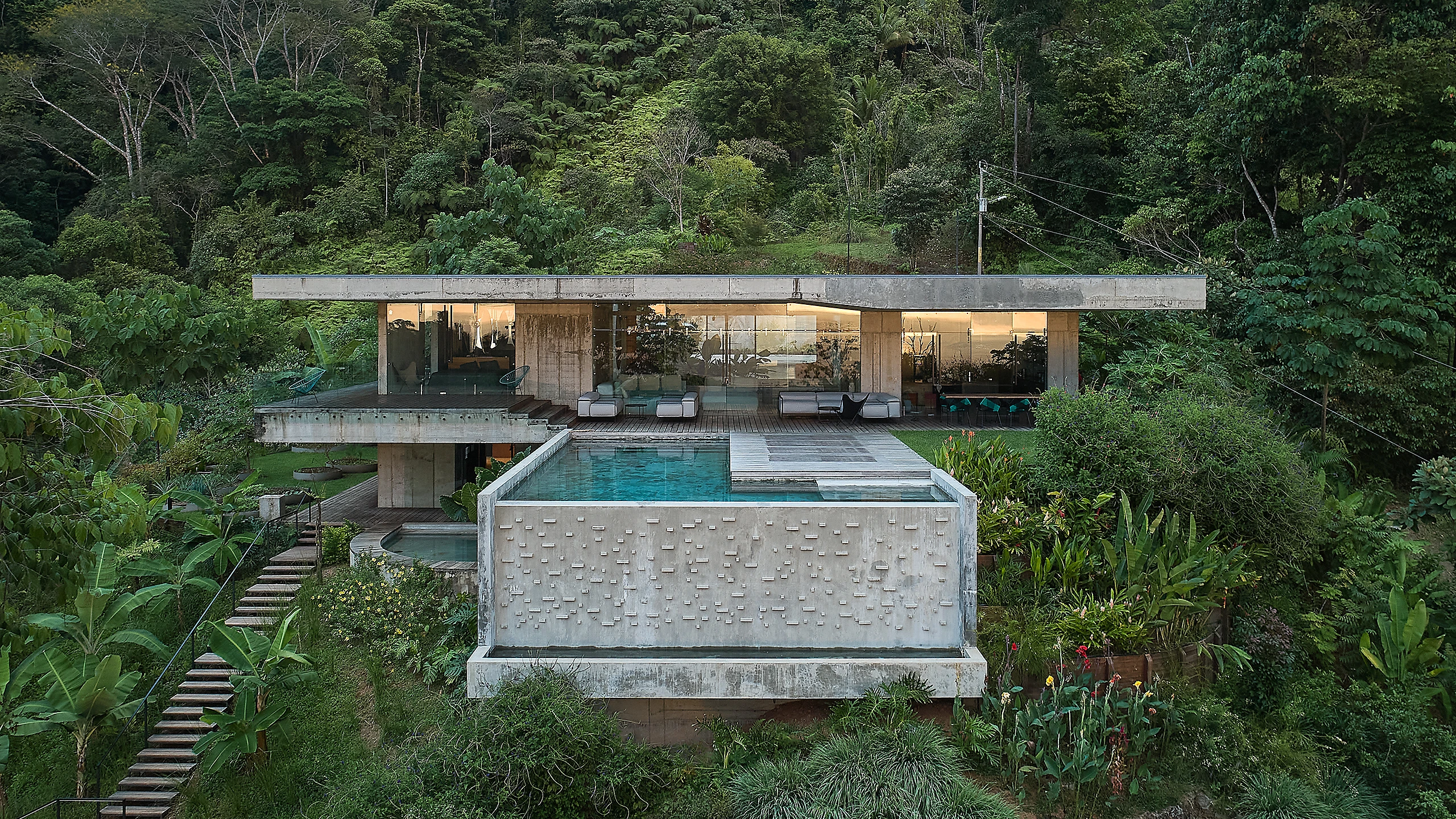
Concrete Jungle Brutalism Is Back in Fashion
Mies van der Rohe changed into born first, in 1886, in Aachen, Germany. Le Corbusier arrived the subsequent year, and 250 miles to the south, in La Chaux-de-Fonds, Switzerland. Mies went directly to emerge as the godfather of the steel-and-glass global fashion; Corbu, enamored with the opportunities of concrete, basically created brutalism. Which manner that now no longer handiest had been the 2 architects top notch developers of their very own right; they had been additionally liable for developing the best sibling competition withinside the records of structure.
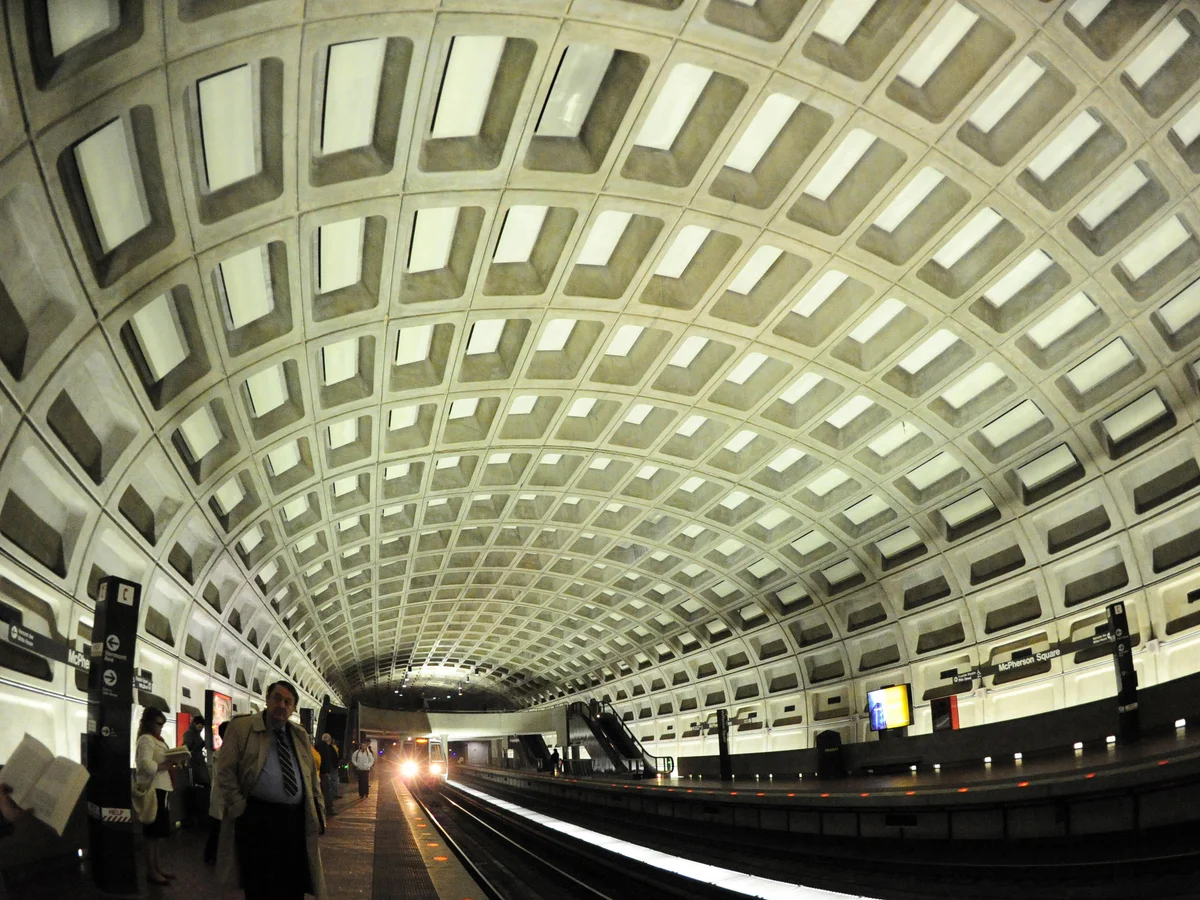
Le Corbusier’s brutalism took an early lead, now no longer least due to concrete’s price benefit: it’s far reasonably-priced and abundant, the second one maximum ate up cloth withinside the international, after water. Brutalism additionally had the art-ancient benefit of becoming without difficulty right into a centuries-lengthy narrative. The huge brutalist vaulting of the Washington Metro, for instance, is uncannily much like that located in biggest concrete dome withinside the international – the 2,000-year-vintage Pantheon, in Rome.
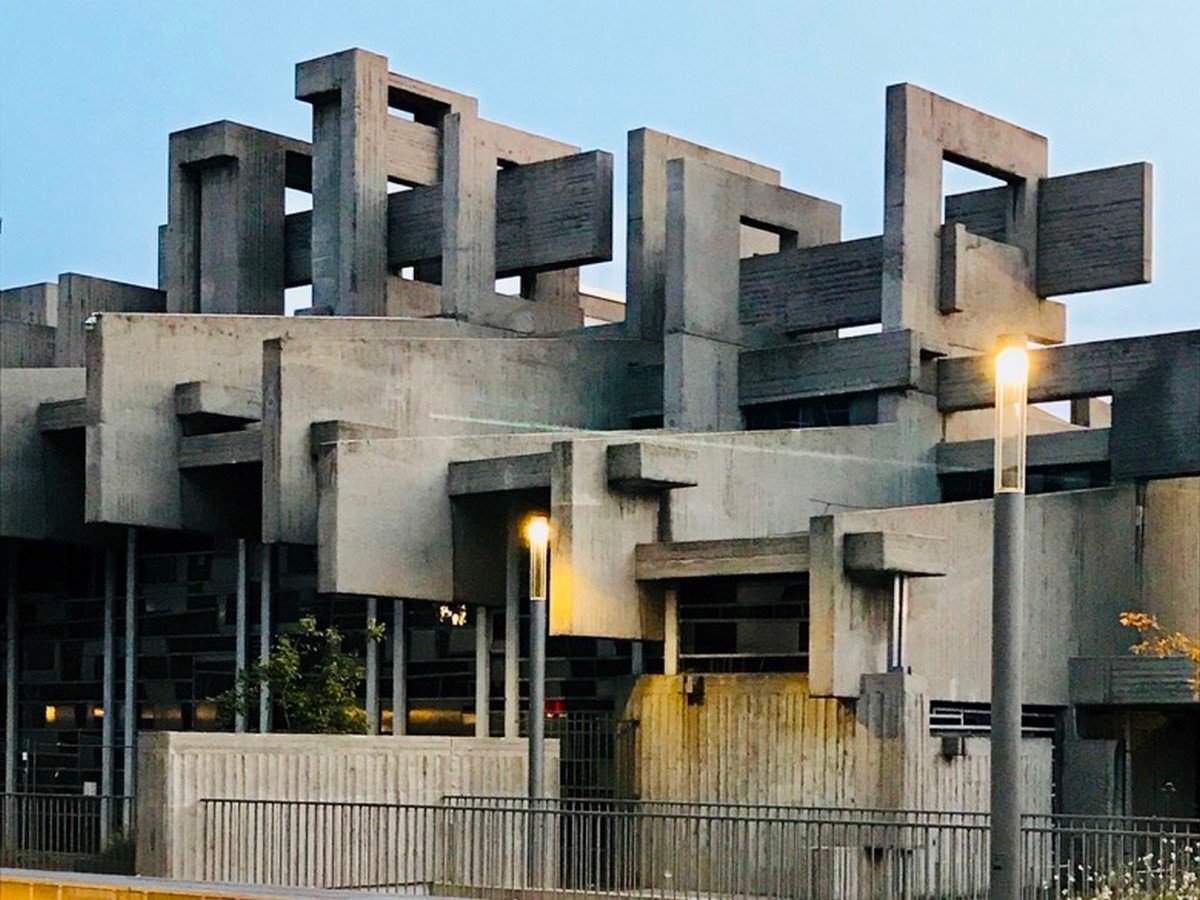
Yet through the 1960s, whilst each actions genuinely hit their stride, it changed into the global fashion that changed into withinside the ascendant. Mies had given New York City the Seagram Building, “the millennium’s maximum vital building”, in keeping with Herbert Muschamp of the New York Times. Citizens of current towns on each continent began out searching up and seeing shimmering sheets of glass, as their previously parochial cities had been converted into some thing equivalent to the Emerald City from The Wizard of Oz. A new global phenomenon emerged: the current skyline, comprising homes that aspired to float – effortlessly, impossibly – upwards, in a reverie of mild and transparency. This, surely, changed into the golden future. The fortunate few had been a part of it already, and each person else desired in.
Meanwhile, the 99% (even though they failed to name themselves that on the time) located themselves elevating households in suburban concrete housing estates that had been direct descendants of Corbusier’s Unité d’habitation, or housing unit, in Marseille. The impetus in the back of such homes changed into simply as idealistic as any Miesian tower, however concrete structure is unforgiving, and budgets had been tight, and no person ever troubled to seek advice from the humans whose lives had been ostensibly being improved.
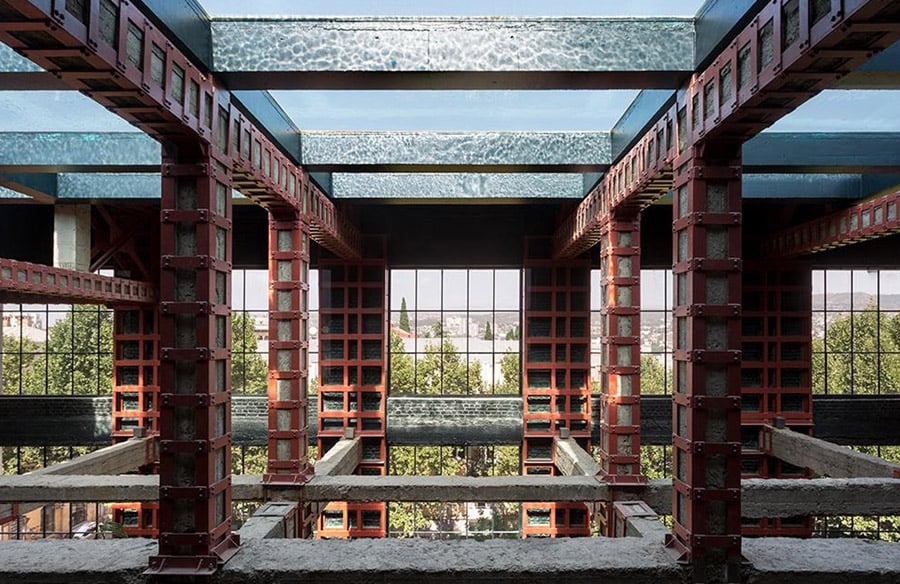
The end result changed into that brutalism, withinside the public mind, have become the structure of a forgotten underclass: windswept plazas, crumbling concrete, unpleasant dystopian soullessness. Far from being some thing to aspire to, it changed into some thing to get away from. The call failed to help: although it derives from the French béton brut, for uncooked concrete, it nonetheless connotes brutality. The structure may be quite brutal too: hulking, massive, huge. Certainly through 1981, whilst Tom Wolfe posted From Bauhaus to Our House, brutalism had emerge as some thing to hate, a image of the entirety that changed into incorrect with current structure.
The story, however, does now no longer quit there. The global fashion evolved, and now no longer well. What was aspirational began out turning into an in-your-face declaration of conspicuous consumption. The gauche gaudiness of changed into embraced now no longer handiest wherein you would possibly assume it (the Wynn towers of Las Vegas, say), however additionally in locations with actual records, including New York City. Go to Columbus Circle nowadays, for instance, and you may see Christian de Portzamparc’s billionaire condos at One57 face off towards “a Fifties global fashion glass skyscraper in a Nineteen Eighties gold lame birthday birthday celebration dress,” as Muschamp defined the Trump International Hotel. Such erections generate nearly as an awful lot hatred nowadays because the worst errors of brutalism did withinside the 1960s, and understandably so: they constitute a international wherein the greater obvious and ostentatious you are, the greater income you make.
The global fashion, deservedly or now no longer, is bearing the brunt of the worldwide backlash towards growing inequality in any respect stages of society. Gentrification has emerge as a grimy word, and not anything exemplifies gentrification greater than a few new steel-and-glass tower going up withinside the center of a tight-knit center-profits community. The openness and transparency ostensibly espoused through the architectural vernacular idiot no person: these “residences” are sealed off from their neighborhoods, vibrant bubbles of wealth and privilege continually covered from their much less salubrious associates through a couple of layers of security.
Leave a Reply